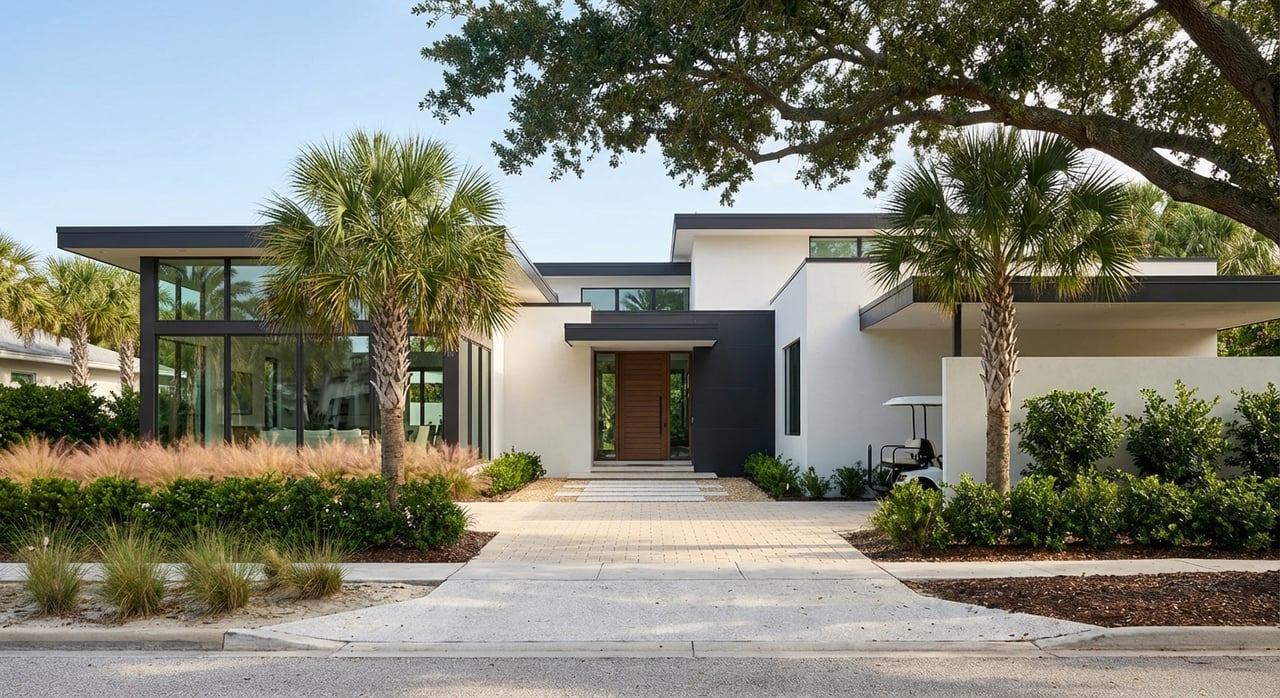
Thinking about buying a vacation rental on Kiawah Island but not sure how the numbers shake out? You are not alone. Kiawah is a premium, gated market with strong demand and limited supply, which means higher rates and unique costs that can make or break returns. In this guide, you will get the core revenue math, realistic expense ranges, local rules that affect operations, and a practical due diligence checklist. By the end, you will know how to underwrite a Kiawah property with confidence. Let’s dive in.
Why Kiawah demand is strong
Kiawah Island is a private, master-planned barrier island in Charleston County known for world-class golf at the Ocean Course, protected beaches, resort amenities, and a carefully controlled development pattern. Inventory is limited compared with broader Charleston beach markets, so well-positioned rentals can command premium pricing.
Demand is led by leisure travelers, family groups, golf trips, weddings, and affluent second-home users. Length of stay often runs longer than urban short stays, commonly 4 to 7 nights or more. That reduces turnover frequency and can improve operations when compared with 2- or 3-night markets.
Seasonality matters. Late spring, summer, and early fall are the strongest periods. Winter and late fall tend to be slower, with lower average daily rates and occupancy. You will often see concentrated demand in peak months, plus spikes during holidays and special events.
Revenue math that matters
Your top-line revenue comes down to three inputs: ADR, occupancy, and nights available.
- ADR (average daily rate): Driven by property type, quality, view, and season. Kiawah ADRs tend to be higher than the broader Charleston market due to the island’s upscale positioning and limited supply.
- Occupancy rate: Annualized performance can vary widely. High-performing properties in desirable segments commonly range from 40 to 65 percent on a full-year basis, with significant peaks in late spring through early fall.
- Nights available: 365 if fully available. Reduce this number for owner use or planned downtime.
The basic formula is simple:
- Gross rental revenue = ADR × 365 × occupancy
Here are two illustrative scenarios you can use to sanity-check your assumptions:
- Mid-range condo example: ADR $500, occupancy 50 percent. That equals 182 booked nights and about $91,000 in gross revenue per year.
- Luxury beachfront house example: ADR $1,200, occupancy 45 percent. That equals 164 booked nights and about $197,000 in gross revenue per year.
Length of stay shapes turnovers. With many Kiawah guests booking 4 to 7 nights, turnovers per year may be lower than in downtown or event-heavy markets. That affects cleaning cost modeling and scheduling.
Operating expenses to budget
Operating costs on Kiawah reflect resort standards and coastal risk. Underwrite each item with conservative ranges and get firm quotes early.
- Property management fees: 15 to 35 percent of rental revenue. Full-service on-island managers commonly run 20 to 30 percent when they handle bookings, guest services, and coordination.
- Cleaning and turnover: About $75 to $400 per stay depending on size and standards. Many owners pass cleaning to guests as a fee, but it is wise to budget a net cost for touch-ups, mid-stay cleans, or owner-arranged turnovers.
- Utilities and communications: Owners typically cover electricity, water, cable/streaming, and internet. Budget roughly $3,000 to $12,000 per year for larger homes. Condos are usually on the lower end, but confirm with utility histories.
- HOA/condo and community assessments: These can be significant. For resort condos and communities, monthly fees may include landscaping, exterior maintenance, reserves, and sometimes utilities. Kiawah also has community-level assessments. Get the full fee schedule in writing.
- Insurance: Coastal properties face higher premiums. Plan for homeowners or hazard coverage, wind or hurricane coverage if excluded, flood insurance depending on FEMA zone and elevation, and liability tailored to short-term rentals. Costs range from a few thousand dollars to tens of thousands annually.
- Property taxes: Confirm valuation and millage through Charleston County. Pull the current tax bill to avoid surprises.
- Maintenance and reserves: For single-family homes, a common rule of thumb is 1 to 3 percent of property value per year for long-term capital needs. For short-term rentals, many owners reserve 5 to 10 percent of gross revenue for ongoing maintenance and replacements.
- Marketing and distribution: If not fully included in a management package, budget 2 to 6 percent for listing site commissions, channel tools, and professional photography.
- Transient occupancy and lodging taxes: South Carolina and local jurisdictions impose lodging-related taxes. Platforms may collect some taxes, but you are responsible for full compliance. Confirm exact rates and remittance rules.
Returns and conservative targets
Define your return goals using standard investment metrics. Then stress test them.
- Net Operating Income (NOI): Gross rental revenue minus operating expenses (not including mortgage). This is the base for cap rate and debt coverage.
- Cap rate: NOI divided by purchase price. In luxury markets like Kiawah, cap rates are often in the mid to low single digits. Many buyers accept lower cap rates due to appreciation potential and lifestyle value.
- Cash-on-cash return: Cash flow after debt service divided by total cash invested. Include closing costs and any furnishing or upgrade capital.
- Debt service coverage: If financing, stress test with 70 to 80 percent of your modeled revenue to confirm the loan is still covered in slower periods.
Use best, median, and worst cases to see how a 10 to 20 percent swing in ADR or occupancy affects cash flow. This is vital in seasonal markets.
Rules, taxes, and insurance on Kiawah
Before you write an offer, map the operating framework. Community rules and coastal insurance can materially change net income.
- Community and HOA rules: Kiawah Island has a community association and property-level HOAs or condo boards. Some developments set minimum stays, limit guest access to amenities, or control parking, trash, and security registrations. Always review CC&Rs, association rules, and any resort or club policies.
- Permits and registrations: Charleston County and related authorities may require business licenses or rental registrations, along with compliance on occupancy limits, parking, and safety. Confirm the full process with county offices and the community association.
- Lodging taxes: State and local lodging taxes apply. Some platforms collect certain taxes, but you must confirm what is collected, what is not, and who remits.
- Flood and wind: Many Kiawah properties fall within FEMA flood zones. If you have a mortgage and are in a high-risk zone, flood insurance is typically mandatory. Coastal homeowners policies often exclude wind or hurricane events, which may require a separate policy. Secure quotes early since premiums can materially affect feasibility.
Due diligence checklist
Strong underwriting starts with real operating data. Request these items up front and verify with third-party sources.
Documents to collect
- Last 12 to 36 months of rental income and owner statements with monthly breakdowns.
- Booking calendars that show actual nights rented, not just advertised availability.
- Full statement of HOA, condo, and Kiawah community assessments, including any transfer or rental registration fees and rules on minimum stays and guest policies.
- Property management contract with fee schedule, inclusions, exclusions, and cancellation terms.
- Comparable ADR, occupancy, and RevPAR from short-term rental data providers focused on Kiawah’s micro-market and your specific property type.
- Current property tax bill and assessed value from Charleston County.
- Insurance quotes for hazard, wind, flood, and liability from brokers who work on Kiawah.
- FEMA flood zone information and any available elevation certificate.
- Utility histories for the last 12 months.
- Maintenance records, recent capital improvements, and reserve schedules.
Questions to ask managers
- What is the realistic ADR and occupancy by month for this property type and location on Kiawah?
- How long do guests typically stay, and what guest profiles do you see?
- How many direct competitors target the same guest profile on this part of the island?
- What is your management fee and what services are included or excluded?
- How do you handle deposits, damages, and lodging tax filings?
- Can you share anonymized owner statements for similar units?
Operational factors that affect returns
- Furnishings and amenity level: Upfront investments can raise ADR if aligned with guest demand.
- Turnover logistics: On-island cleaning crews and linen services book up in peak months. Plan well ahead.
- Gated access and parking: Make sure guest check-in and vehicle limits are clear and compliant.
- Seasonal maintenance windows: Schedule projects during slow months and prepare for hurricane season.
Sample pro forma walk-through
Use this template to pressure test a deal before you offer. Plug in your actual quotes and data.
- Revenue assumptions
- Property type: Mid-range condo
- ADR: $500
- Occupancy: 50 percent
- Gross revenue: $500 × 365 × 0.50 = about $91,000
- Operating costs (illustrative ranges; replace with quotes)
- Property management: 20 to 30 percent of revenue = about $18,200 to $27,300
- Cleaning: Assume 4 to 7-night stays. If 45 turnovers at $200 per clean, budget about $9,000 net, or less if largely passed to guests
- Utilities and internet: Start at about $3,000 to $6,000 for a condo
- HOA/condo and Kiawah community assessments: Obtain actual schedules and any transfer or rental registration fees
- Insurance: Secure quotes for hazard, wind, flood, and liability. Expect a wide range based on zone and elevation
- Property taxes: Use the current Charleston County tax bill
- Maintenance and reserves: 5 to 10 percent of gross revenue is a common approach for short-term rental upkeep and replacements
- Marketing and distribution: If not included in management, budget 2 to 6 percent
- Outputs to calculate
- Total operating expenses: Sum of all items above
- NOI: Gross revenue minus operating expenses
- Cap rate: NOI divided by purchase price
- Annual debt service: Based on loan terms
- Cash-on-cash return: Cash flow after debt service divided by total cash invested
- Sensitivity checks
- Test ADR and occupancy at plus or minus 10 to 20 percent
- Reduce revenue to 70 to 80 percent to check debt service coverage in slower periods
This simple model keeps you anchored to reality and shows where one high-cost line item, like insurance or HOA fees, can shift the entire return.
How The Arch helps you execute
If a property pencils, speed and certainty matter. You may be competing with cash buyers or facing tight seller timelines. With a founder-led, integrated model, The Arch Corporation pairs licensed brokerage with in-house mortgage origination and private lending options. That means practical underwriting, direct senior involvement, and the ability to move quickly with non-QM, bridge, hard-money, or construction financing when needed.
Whether you want a second home that offsets holding costs or an investment property with disciplined returns, you get one accountable partner from offer through closing. We help you structure the deal, pressure test the numbers, and align financing with your operating plan so you can close on schedule with fewer handoffs.
Ready to run your Kiawah numbers and move with confidence? Speak with a senior advisor at The Arch Corporation to underwrite your target property and align financing with your plan.
FAQs
What is a realistic occupancy rate for Kiawah vacation rentals?
- High-performing properties often average 40 to 65 percent annually, with much higher occupancy in late spring, summer, and early fall and lower rates in winter.
How do I estimate ADR and revenue for a Kiawah rental?
- Start with comps for your exact property type and location, then apply the formula ADR × 365 × occupancy. Use monthly ADR and occupancy by season for better accuracy.
What are typical property management fees on Kiawah Island?
- Full-service management commonly ranges from 20 to 30 percent of rental revenue, with a broader market range of 15 to 35 percent depending on services.
Which lodging taxes apply to Kiawah short-term rentals?
- South Carolina and local jurisdictions impose lodging-related taxes. Some platforms remit certain taxes, but you are responsible for full compliance and should confirm rates and filings.
Do I need flood or wind insurance for a Kiawah property?
- Many Kiawah homes are in FEMA flood zones and may require flood insurance if financed. Coastal homeowners policies may exclude wind or hurricane, requiring separate coverage. Get quotes early.
How do HOA and community rules affect rentals on Kiawah Island?
- Associations may set minimum stays, guest access limits, parking rules, and security registrations. Review CC&Rs, HOA policies, and any resort or club rules before you buy.
How does owner use impact my rental pro forma on Kiawah?
- Owner stays reduce available nights and can shift turnover patterns. Recalculate revenue and cleaning costs based on the reduced availability and updated length-of-stay assumptions.