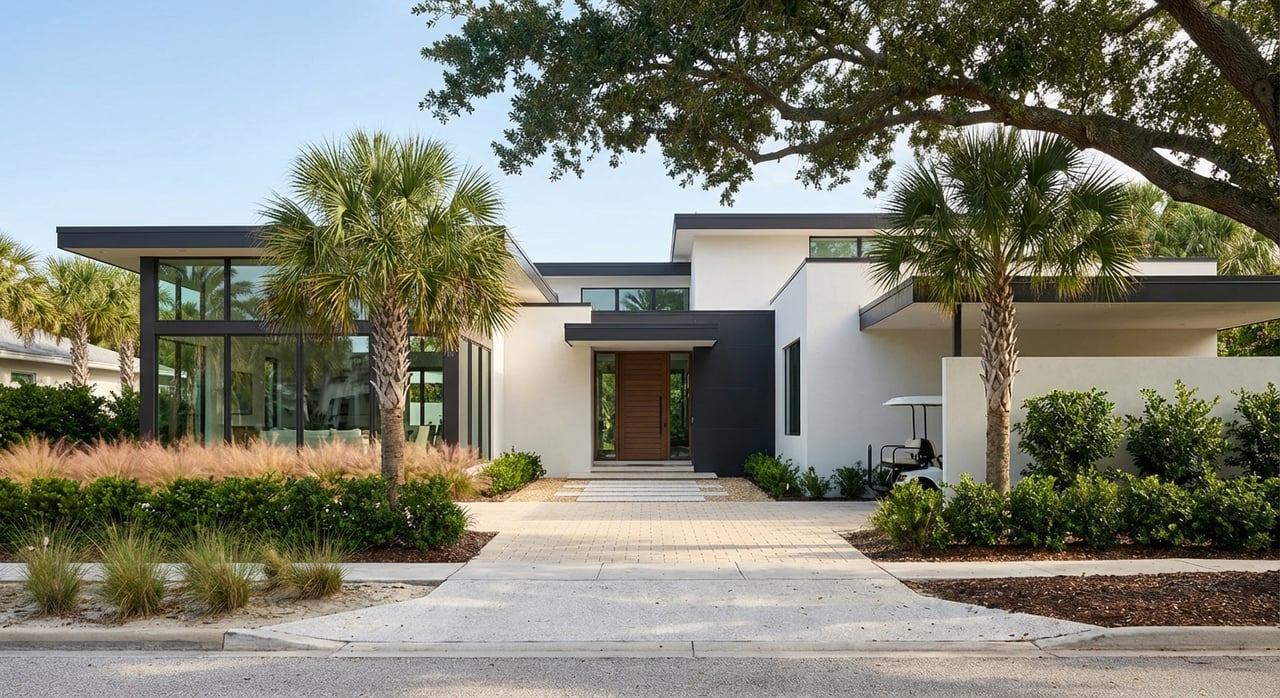
Thinking about making Kiawah Island your full‑time home? You are not alone. Many buyers fall in love with the beaches, trails, and quiet pace, then wonder how day‑to‑day life actually works on a private barrier island. You want the real picture: where you shop, how you access care, what membership you might need, and how to plan for storms.
This guide gives you a practical, on‑the‑ground view of year‑round life on Kiawah. You will learn how the community is governed, what daily logistics look like, how amenities work, and what to expect seasonally, including costs and risk planning. Let’s dive in.
How Kiawah Is Governed
Kiawah is a private, master‑planned community paired with a resort. Many shared services and community standards are managed by the Kiawah Island Community Association. Review the Kiawah Island Community Association to understand island rules, security, assessments, and how common‑area decisions are made.
The island is within Charleston County, not an incorporated town. That means county-level services apply for things like property records, elections, and emergency management. For jurisdictional context and updates, check the Charleston County government.
Year‑round population is modest compared with peak tourist and seasonal months. You will see a mix of retirees, second‑home owners, long‑time residents, and families. The culture is low‑density and outdoors‑focused, with many programs geared toward conservation and community standards.
Daily Living Logistics
Shopping and errands
On‑island retail is limited compared with a typical town center. You will likely handle routine grocery runs, pharmacy needs, and larger retail trips off‑island. Most residents rely on nearby Johns Island or West Ashley for full grocery lists, hardware, and specialty shopping. Freshfields Village is the closest hub for everyday errands and dining.
Plan for a car‑forward routine, then layer in bikes or golf carts for short on‑island trips. If you prefer delivery, expect occasional access protocols at the gate and plan ahead for larger drop‑offs.
Healthcare and emergency care
Kiawah has on‑island security and first‑responder support, but hospital care is on the mainland. For major medical services, most residents use the Medical University of South Carolina and other Charleston systems. Learn about services and locations through MUSC Health and Roper St. Francis Healthcare.
If you have ongoing medical needs, map drive times during your likely appointment windows. Many residents also rely on telehealth for routine follow‑ups.
Schools and childcare
Public schools for island residents are part of the Charleston County School District. Assignments are off‑island, and families should verify their specific address against district maps. Start with the Charleston County School District for enrollment and zoning resources. Private options exist across the greater Charleston area.
On‑island childcare is limited. Most families coordinate with providers on Johns Island, West Ashley, or elsewhere in Charleston.
Transportation and access
Kiawah connects to the mainland via a single primary road across Johns Island. In normal conditions, access is straightforward. During evacuations, major events, or traffic incidents, congestion can spike. Commuting to downtown Charleston is workable for many, but plan for roughly 30 to 60 minutes depending on time of day and your destination.
Golf carts and bikes are common for neighborhood mobility. Public transit is minimal, so a primary vehicle is the norm.
Services and contractors
Contractors serve the island, but lead times can extend during peak visitor seasons or after storms. Expect to schedule preventive maintenance and book early for busy trades. Most service providers and deliveries follow community access rules, which can include gate passes and specific scheduling windows set by the association.
Recreation and Community
Beaches, trails, and nature
The outdoors shapes daily life. Residents spend time on the beach, in the marsh, or along the island’s bike paths. Kayaking, paddleboarding, fishing, and wildlife viewing are everyday activities.
Kiawah prioritizes conservation. Expect lighting rules, protected areas, and seasonal beach guidance to protect wildlife. Sea turtle nesting season typically runs spring through early fall and brings stricter lighting and pet rules. For statewide guidance, review the South Carolina Department of Natural Resources sea turtle program.
Golf, tennis, and club access
Kiawah is known for championship golf and high‑quality sports facilities. Many signature amenities, dining venues, and pools are operated by private organizations. Access can depend on your property and optional membership. Explore membership structures and amenities through the Kiawah Island Club.
You do not need club membership to enjoy the island’s core lifestyle, but if golf, tennis, or certain dining venues are priorities, confirm what your property includes and what requires a separate membership.
Social life and events
Community life is friendly and laid‑back. You will find neighborhood gatherings, volunteer opportunities, fitness classes, and seasonal events. Major tournaments and special events happen periodically, which can boost visitor traffic for a short time. Most residents enjoy the quieter rhythm and step off‑island to Charleston when they want more restaurant or arts options.
Seasons and Climate Risks
Climate and seasonal rhythms
Kiawah has a humid subtropical climate. Expect hot, humid summers and mild winters. The island is busier in spring and summer, with another wave of seasonal residents in winter. Outdoor living is year‑round for many, though summer heat can shape your schedule. For local weather patterns and advisories, follow the National Weather Service Charleston office.
Hurricanes, flooding, and evacuation
Hurricane season runs from June through November, with elevated risk late summer into early fall. Residents should prepare for evacuations, wind events, and potential flooding. Review your property’s elevation, drainage, and flood zone. You can look up flood zones through the FEMA Flood Map Service Center.
Barrier islands experience tidal and storm‑related flooding at times. Storm surge and heavy rain events are part of coastal life. Build a preparedness plan, keep supplies on hand, and set up off‑island plans for vehicles and valuables during serious storms.
Environmental protections and beach rules
Kiawah enforces lighting standards, dune protections, and plantings that support habitat health. During nesting seasons, you will see rules about beach lighting and pet access in certain areas. The island’s conservation posture is a defining feature. Expect to align your landscaping, exterior lighting, and beachfront behavior with those guidelines.
Costs, Insurance and Upkeep
Ownership costs and fees
Kiawah properties command premium prices compared with Charleston County overall, driven by waterfront settings, limited supply, and resort‑level amenities. In addition to mortgage and taxes, budget for community association assessments and, if you choose, club membership dues. Fee structures vary by property type and membership tier, so review each listing’s inclusions closely.
Insurance planning
Coastal properties often need homeowner’s insurance plus wind coverage and flood insurance, depending on flood zone and lender requirements. Premiums are typically higher in coastal areas due to wind and surge risk. Start quotes early in your buying process and compare coverage terms. For statewide policy guidance and consumer resources, use the South Carolina Department of Insurance.
Maintenance realities
Salt air and humidity accelerate wear on roofs, exterior paint, metal fixtures, decks, and HVAC systems. Plan for more frequent exterior maintenance cycles, corrosion‑resistant hardware, and regular HVAC servicing. Pest control and mold prevention are part of routine home care in this climate. Scheduling preventive work can reduce surprise costs and peak‑season delays.
Buyer Checklist
Use this quick list as you evaluate homes for full‑time living:
- Confirm flood zone and review any elevation certificates.
- Review Kiawah Island Community Association covenants, fees, and services.
- Clarify club access and initiation fees if golf or club amenities matter.
- Obtain insurance quotes early for wind and flood coverage.
- Verify internet provider options and tested speeds at the property.
- Check school assignments with the Charleston County School District.
- Ask about recent or upcoming capital projects or beach renourishment that could affect assessments.
- Line up trusted contractors and ask about lead times for key trades.
Practical Tips for Day‑to‑Day Life
- Keep a running off‑island list for errands to consolidate trips.
- Set reminders for hurricane season checks: supplies, documents, and evacuation routes.
- Protect your home’s exterior with regular washdowns and corrosion‑resistant materials.
- Build relationships with a few go‑to service providers for faster scheduling.
- Learn seasonal beach and lighting rules to avoid fines and help conservation.
Kiawah offers a rare combination of natural beauty, privacy, and recreational depth. Full‑time life works best when you balance the perks with smart planning. If you want an integrated path to purchase and financing with direct senior guidance, connect with The Arch Corporation to map your next steps with clarity and speed.
FAQs
Is commuting from Kiawah Island to Charleston practical?
- Yes, many residents commute. Expect 30 to 60 minutes depending on timing and your downtown destination. Plan for occasional congestion on the Johns Island corridor.
Do I need a club membership to enjoy Kiawah?
- No. The beach, trails, and community life are accessible without membership. Certain golf, pools, and dining venues are membership‑based, so confirm what your property includes.
How serious are hurricanes and flooding for residents?
- They are real coastal risks. Prepare for evacuation, carry appropriate wind and flood insurance, and review FEMA flood maps before buying to understand property‑specific exposure.
What are the rules for pets on the beach during nesting season?
- Expect seasonal leash requirements and restricted areas to protect wildlife. Lighting and access rules tighten during sea turtle and shorebird nesting periods.
Are on‑island medical services sufficient for emergencies?
- First responders are on‑island, but hospitals are on the mainland. Residents rely on Charleston systems like MUSC and Roper for advanced care.
How available are contractors for home maintenance?
- Contractors are available, but lead times can stretch during peak seasons or after storms. Book preventive maintenance early and maintain relationships with preferred providers.