Thinking about building an ADU in Encino but not sure where to start? You are not alone. Whether you want rental income, a guest space, or flexibility for multigenerational living, an ADU can add real value if you navigate the rules the right way. In this guide, you will learn the essentials of Encino ADU rules, permits, timelines, parking, utilities, and the steps to approval with links to official Los Angeles resources. Let’s dive in.
What counts as an ADU in Encino
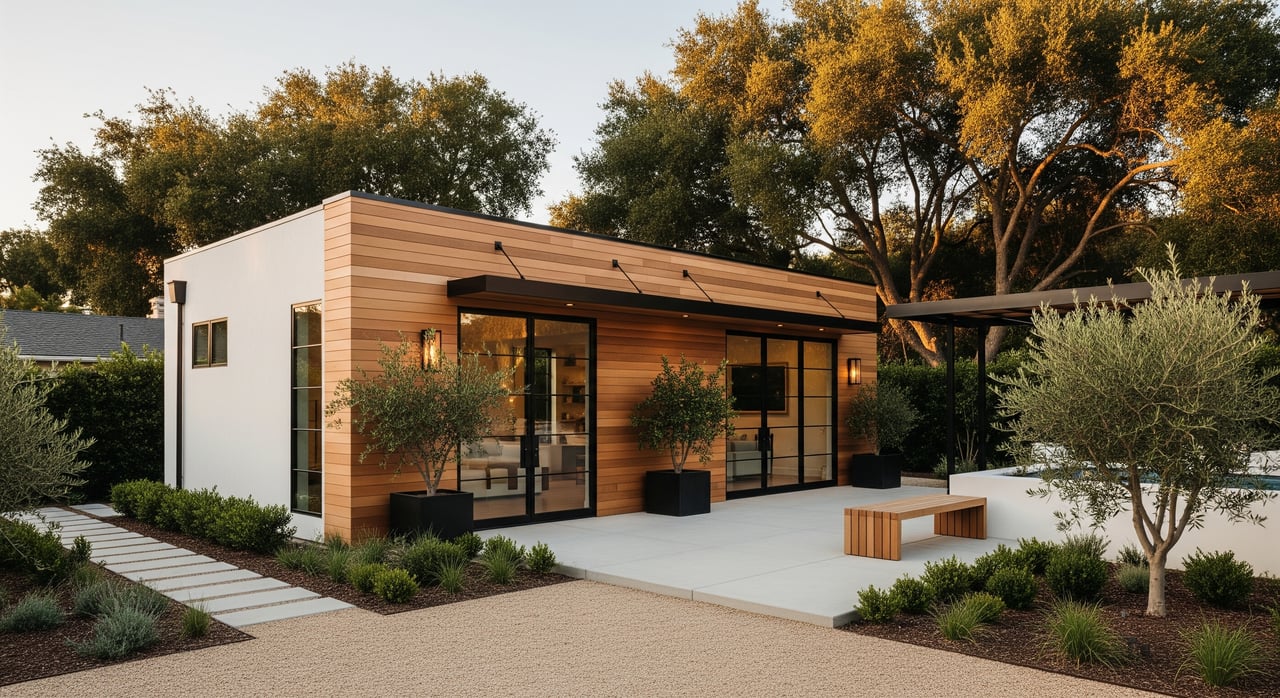
ADUs are secondary homes on the same lot as a primary residence. In Encino, you are under City of Los Angeles rules that implement state law. Common options include detached backyard cottages, attached additions, and conversions of existing space like garages or basements.
A Junior ADU, or JADU, is a smaller option created inside the existing home. A JADU is limited to 500 square feet and must include an efficiency kitchen and a separate entrance. For statewide definitions and policy background, review the California Housing and Community Development overview on accessory units in the state’s official summary at the California HCD ADU page.
On most single-family lots, you can pursue one ADU plus one JADU if you meet objective standards. Multifamily properties have different allowances that depend on existing buildings. If you are exploring that path, confirm details with the City of Los Angeles Planning and Building teams.
Where Encino rules come from
California ADU laws set the baseline. Cities must allow ADUs that meet objective standards and process them through a ministerial review. That means no public hearing when your plans comply with zoning and building rules. The City of Los Angeles has adopted local standards for height, setbacks, and site layout, and typically issues approvals through building permit plan check. For policy context, see Los Angeles City Planning’s portal at Los Angeles City Planning and the state’s summary at the California HCD ADU page.
Certain overlays can trigger extra review. In Encino, parcels in hillside areas, historic zones, or specific plans may have added steps or technical requirements. Use the City’s zoning tool to check your property before you design.
Size, height, and setbacks
Los Angeles uses objective standards for how large an ADU can be, where it can sit on the lot, and how tall it can be. Exact numbers depend on your zoning, lot size, and whether you are converting existing space or building new. Because rules and thresholds are updated, confirm the current standards on official City pages at Los Angeles City Planning and the Department of Building and Safety at LADBS.
Before you invest in plans, review your parcel’s zoning, overlays, and lot dimensions in the City’s Zoning Information and Map Access System, known as ZIMAS. You can search your address directly at ZIMAS.
Parking and access
State law provides broad ADU parking relief that Los Angeles applies. Common exemptions include:
- No additional parking when you convert existing space like a garage or part of the home.
- No additional parking if your property is within one-half mile of public transit.
- JADUs typically do not require extra parking.
If the City does require parking for your specific case, it is usually one space per ADU. For the full policy background on exemptions, review the state’s summary at the California HCD ADU page and confirm local application with Los Angeles City Planning.
Access and fire-safety rules can apply, especially in hillside areas. The Los Angeles Fire Department publishes access standards, hydrant proximity needs, and related guidance at the LAFD.
Permitting steps in Los Angeles
You will interact with both City Planning for zoning confirmation and the Department of Building and Safety for plan check and inspections. Here is a practical path to follow:
Step 1: Research your lot in ZIMAS
Look up zoning, community plan, historic overlays, hillside designation, and lot dimensions at ZIMAS. Overlays can affect height, setbacks, and review steps.
Step 2: Select your ADU type
Decide whether a conversion, attached addition, detached unit, or a JADU best fits your lot and budget. Conversion options are often faster and lower cost because you work within an existing structure.
Step 3: Confirm utilities early
Contact utilities to understand service needs and potential upgrades. Electricity and water service are handled by the Los Angeles Department of Water and Power at LADWP. Sewer capacity and lateral connections are overseen by LA Sanitation and Environment at LA Sanitation. Early confirmation helps you avoid surprises during plan check.
Step 4: Prepare a complete plan set
Typical plan sets include a site plan with setbacks and access, floor plans and elevations, structural details for new framing, energy compliance documentation, and trade plans for plumbing, mechanical, and electrical. If you are converting a garage, demolition details and how you will address foundations are important. Hillside or special conditions may require geotechnical or fire access documentation. For submittal expectations and plan check workflows, see LADBS.
Step 5: Submit for ministerial review
Most compliant ADUs are approved ministerially through LADBS plan check without a hearing. If your project deviates from objective standards or sits within a special overlay, you may face discretionary review that takes longer. City Planning offers zoning guidance at Los Angeles City Planning, and LADBS coordinates permit issuance and inspections at LADBS.
Step 6: Pass inspections and get final sign-off
Inspections typically follow a standard sequence: foundation and underground, framing and rough systems, insulation and energy, and final inspection. You need final approval before you occupy or rent the new unit. LADBS provides inspection scheduling and guidelines at LADBS.
Timelines to expect
- Preliminary checks: allow days to a few weeks to confirm zoning, overlays, and utilities.
- Design and plan preparation: a few weeks to several months, depending on complexity and whether you use an architect or designer.
- Plan check and permits: several weeks to a few months for ministerial ADUs, longer if discretionary review is required.
- Construction: often 3 to 9 months, based on size, scope, and contractor scheduling.
These ranges are typical. Your actual timeline will reflect the quality of plans, responsiveness to plan check comments, site conditions, and contractor availability.
Fees, utilities, and renting
Expect standard building and trade permit fees, plan check fees, and utility connection charges per City schedules. State law limits certain impact fees for smaller ADUs, and Los Angeles applies its own fee schedules. For current permit processes, start with LADBS. For metering and service questions, contact LADWP and LA Sanitation.
ADUs can generally be rented long term as separate homes. Short-term rentals have their own rules in Los Angeles, and business licensing may be required. Confirm the latest short-term rental regulations before you plan on nightly or weekly stays.
Owner-occupancy rules vary by ADU type and timing. Recent state laws limit when cities can require an owner to live on-site, but you should verify the current Los Angeles interpretation with City Planning and LADBS.
Encino site realities and common strategies
Encino includes a mix of flat lots and hillside parcels. Hillside locations may need geotechnical reports and fire access clearances, and they may be subject to the City’s Hillside Ordinance. Historic overlays or specific plan areas can add steps or special findings. Always start with a zoning and overlay check at ZIMAS.
Common Encino ADU approaches include:
- Garage conversion ADU. Often the lowest cost, frequently parking exempt, and quicker to design.
- Detached backyard cottage. Offers privacy and size flexibility but may involve more site work and utility upgrades.
- Attached addition or above-garage unit. Good fit when lot width or setbacks are tight.
- JADU inside the home. Minimal exterior change, smaller footprint, and a good choice when budgets are tight.
Even for ministerial projects, it helps to communicate with neighbors about construction timing and parking. While not required for approval, proactive outreach can reduce friction during the build.
Cost and financing basics
Costs vary widely by scope, finishes, site work, and whether you are converting existing space. In general, conversions are less expensive than new detached construction because you are working within existing structure and utilities. Utility upgrades, sewer laterals, and energy compliance can be meaningful cost drivers.
Typical financing paths include savings, home equity, renovation loans, construction loans, and private financing. If you plan to rent the unit, potential income can help offset carrying costs. Always confirm with your lender how ADU improvements affect valuation and underwriting.
If you want one accountable team to help evaluate feasibility and explore capital options, you can work with a firm that pairs brokerage, lending, and development advisory. This integrated model can streamline timelines and reduce handoffs during design and permitting.
Quick Encino ADU checklist
- Look up your parcel in ZIMAS for zoning, overlays, and lot dimensions.
- Choose the ADU type that fits your lot and goals: conversion, attached, detached, or JADU.
- Contact utilities early: LADWP for electric and water, LA Sanitation for sewer.
- Review objective standards and submittal requirements at Los Angeles City Planning and LADBS.
- For hillside or near historic areas, engage City Planning early and consider experienced designers.
- Submit complete plans for ministerial review through LADBS and respond quickly to plan check comments.
- Build with licensed contractors, pass inspections, and secure final sign-off before occupancy.
When you are ready to take the next step, you deserve senior-level guidance and a predictable plan from design through financing and permits. If you want a single, accountable partner in Greater Los Angeles, connect with The Arch Corporation. We help you map the path, structure financing, and keep your ADU project moving.
FAQs
Can I build an ADU on my Encino lot?
- Most single-family lots can add an ADU or JADU if your design meets objective City and state standards. Always confirm zoning and overlays in ZIMAS.
Do I need neighbor approval or a hearing for an ADU?
- If your plans meet objective standards, the City approves ADUs ministerially without a public hearing or neighbor permission. Discretionary cases can trigger public process.
What ADU parking rules apply in Encino?
- Several exemptions exist, including conversions of existing space and locations within one-half mile of transit. JADUs typically do not require added parking. Confirm with City Planning.
How long does permitting take for an Encino ADU?
- Ministerial ADUs commonly move from submittal to permit in several weeks to a few months, depending on plan quality and City workload. Discretionary cases take longer.
Who handles ADU inspections in Los Angeles?
- The Department of Building and Safety oversees plan check, permits, and inspections. Schedule and track inspections through LADBS.