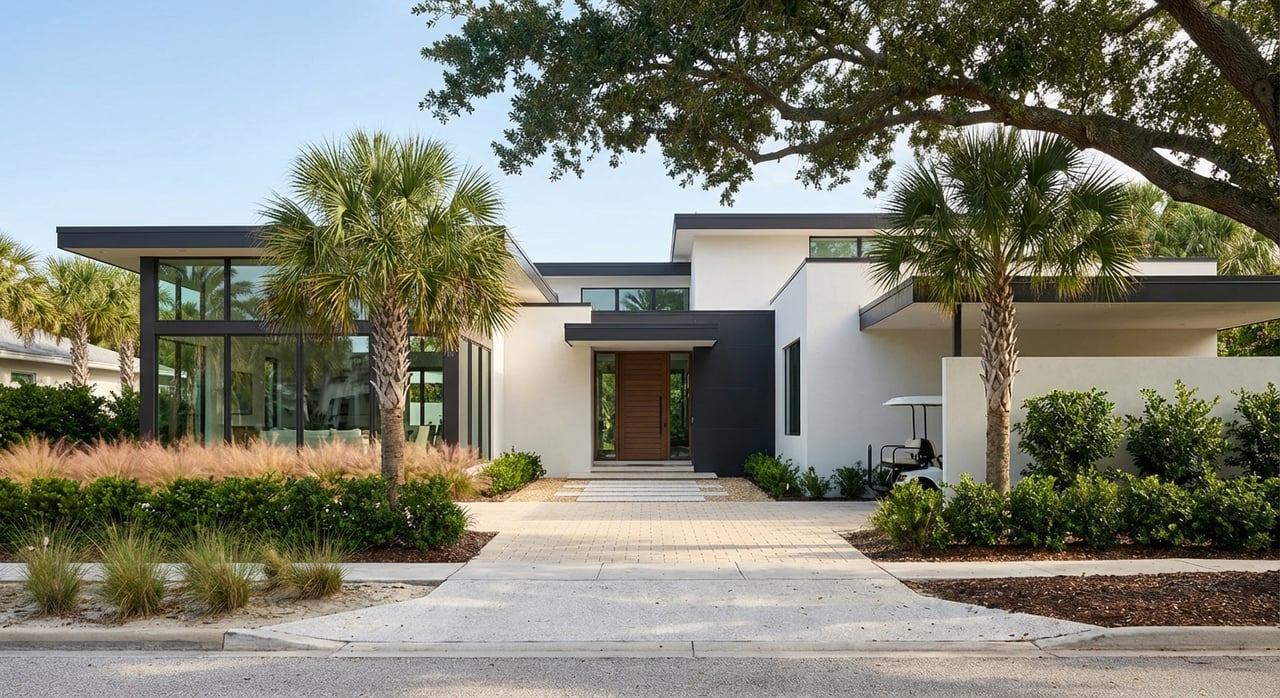
Thinking about buying behind the gates on Hilton Head Island? You are not alone. Many buyers are drawn to the privacy, curated amenities, and neighborhood consistency that gated communities can offer. At the same time, you want a clear view of fees, rules, insurance, and coastal considerations before you commit. This guide walks you through what to expect, how to evaluate options, and the due diligence that protects your budget and lifestyle goals. Let’s dive in.
What “gated” means on Hilton Head Island
Gated communities on Hilton Head Island come in several forms. Understanding the differences helps you match a community to your plans and budget.
Resort-style and private-amenity communities
Resort-style communities often feature golf, tennis, pools, fitness centers, marinas, and beach access. Many operate on-site clubs with initiation fees and ongoing dues. These amenities can enhance your day-to-day living and, when allowed, add appeal for longer-term renters. Higher services usually mean higher carrying costs, so compare what is included in the base association fee versus separate club charges.
Residential-only gated neighborhoods
Some communities focus on controlled access, private roads, landscaping, and limited shared facilities. You may find pocket parks, paths, or a small clubhouse, but not full resort programs. The draw is predictable surroundings and well-kept common areas. Fees in these neighborhoods usually cover security gates and road maintenance, with fewer add-on costs.
Age-restricted and mixed enclaves
A few area communities are age-restricted or include 55+ sections. Others have gated enclaves within a larger neighborhood. If you prefer a specific lifestyle or quieter setting, these can be a fit. Always verify occupancy and age rules before you shop so you know who can live in the home and for how long.
Benefits you might value
Gated communities can deliver practical and lifestyle upsides.
- Controlled entry that reduces casual traffic and increases privacy.
- Consistent landscaping, signage, and common-area upkeep.
- Access to amenities such as golf, pools, marinas, and fitness centers.
- Architectural review that supports stable neighborhood aesthetics.
Tradeoffs and hidden costs to plan for
Every benefit carries responsibilities and costs. Knowing them up front helps you avoid surprises.
- HOA or POA assessments plus possible club initiation and monthly dues.
- Covenants that limit exterior changes, parking, pets, and home-based businesses.
- Rental rules that can affect both lifestyle and investment plans.
- Visitor protocols that add friction for guests, vendors, or service providers.
- Potential for special assessments when reserves fall short.
Insurance, flooding, and coastal realities
Hilton Head Island sits on a barrier island exposed to storms and tidal flooding. Insurance and elevation are core to your budget.
- Flood risk: Many properties sit in FEMA flood zones where lenders require flood insurance. Premiums vary with the structure’s elevation relative to Base Flood Elevation and any mitigation measures.
- Wind and hurricane coverage: Coastal policies often carry higher wind or named-storm deductibles. Some policies bundle wind, while others require a separate endorsement.
- Elevation and drainage: Finished-floor elevation, site drainage, and bulkhead conditions matter for both risk and insurance costs.
- Mitigation features: Roof age, secondary water barriers, impact-rated windows, or shutters can reduce exposure and may improve insurability.
Rentals and use rules
Short-term rental demand on Hilton Head is strong overall, but each community sets its own rules. Some allow vacation rentals with limits on stay length and frequency. Others restrict or prohibit short-term rentals entirely. If you plan to rent, confirm community rules, any required registrations, and the local licensing and tax requirements that apply to transient occupancy.
Governance and documents to review
Before you make an offer, understand how the community is run and funded. The governing documents define what you can do and what it costs.
- CC&Rs, Bylaws, and Rules: Read all current versions and amendments. Look for limits on rentals, exterior changes, parking, pets, and occupancy.
- Architectural Review Board: Learn how approvals work for additions, fencing, screening, and landscaping. Confirm timelines and fees.
- Financials and reserves: Ask for the current budget, year-end financials, reserve study, and recent special assessments. A well-funded reserve signals fewer surprises.
- Meeting minutes: Review the last 12 to 24 months to identify upcoming projects, community concerns, or policy changes.
- Security and gates: Understand staffing, visitor access systems, and any costs associated with gate operations.
Financing in HOA-governed communities
Lenders underwrite both you and the community. Strong association health can make your loan process smoother.
- Project health: High owner delinquencies, low reserve funding, or heavy rental concentrations can affect loan eligibility.
- Condominiums: Expect a detailed review of documents for Conventional, FHA, or VA financing. Clarify insurance coverages, owner-occupancy ratios, and litigation status.
- Fees and transfer charges: Identify any capital contributions, transfer fees, or estoppel charges that impact your cash to close.
- Private roads and easements: Lenders often ask for proof of maintenance obligations and access rights.
Property inspections and coastal due diligence
Coastal properties deserve a comprehensive inspection plan. Address these items early to protect your costs and timeline.
- Whole-home inspection plus roof, HVAC, and pest or termite inspections.
- Elevation certificate if in a flood zone, along with any prior flood claims.
- Wind and storm protection review for windows, doors, and shutters.
- Drainage evaluation and, for waterfront lots, bulkhead or riprap condition and permits.
- Sewer vs septic: Confirm utility type and inspection needs if septic is present.
- Moisture and mold checks due to local climate.
Cost checklist for accurate budgeting
Create a line-by-line budget that reflects both ownership and community obligations.
- Regular HOA or POA assessments and what they cover.
- Club initiation fees and monthly or annual dues if applicable.
- Property taxes and any community transfer or resale fees.
- Homeowner’s insurance, wind or hurricane endorsements, and flood insurance.
- Utilities and private services, including any private water or sewer charges.
- Maintenance items such as roof lifecycle, exterior upkeep, and landscaping that may be required by the ARB.
- Contingency for special assessments or capital projects.
Smart offer-to-close roadmap
Use a step-by-step process to manage risk and keep your transaction on schedule.
- Clarify your use plan. Decide whether this will be a primary home, second home, or rental. Your plan affects financing, rules, and insurance.
- Get pre-approved and budget for coastal insurance. Factor wind and flood premiums and deductibles into your monthly number.
- Request and review documents. Collect CC&Rs, Bylaws, Rules, ARB guidelines, budgets, financials, reserve study, and meeting minutes.
- Verify fees and assessments. Confirm regular dues, transfer fees, capital contributions, and any pending or recent special assessments.
- Set realistic contingencies. Include document review, insurance quote, and inspection contingencies specific to coastal risks.
- Inspect thoroughly. Order home, roof, pest, septic if needed, elevation certificate, and any waterfront or shoreline inspections.
- Confirm title and access. Verify easements, private road maintenance, and club membership transfer rules.
- Obtain estoppel or dues letters. Ensure the account is current and that any violations are addressed before closing.
How to compare communities quickly
Create a simple scorecard so you can compare options apples to apples.
- Fees and dues: Total monthly equivalent for HOA, POA, and clubs.
- Rules fit: How well restrictions align with your intended use and lifestyle.
- Insurance profile: Flood zone, elevation, and mitigation features.
- Amenities value: Which amenities you will actually use and what they cost.
- Governance health: Reserve funding, assessment history, and meeting minutes tone.
Where resale and rental fit in
Buyers sometimes pay a premium for communities with strong amenities and reputation. Resale potential depends on association health, upkeep, and rules that buyers value. If you plan to rent, community restrictions and local licensing requirements will shape your strategy and income potential. Align your expectations with the documents, not assumptions.
Work with a team that pairs advice and capital
You make better decisions when advisory, due diligence, and financing move together. An integrated approach helps you verify fees and rules early, secure the right insurance quotes, and structure financing that fits the property and association profile.
Ready to evaluate gated communities on Hilton Head Island with clear numbers and a faster path to closing? Connect with a senior advisor at The Arch Corporation to review documents, map total costs, and align financing with your goals.
FAQs
Are vacation rentals allowed in Hilton Head gated communities?
- It depends on the community. Many set minimum stay lengths, guest registration requirements, or limits on frequency, and some restrict or prohibit short-term rentals. Always verify rules in the governing documents before you buy.
How much do HOA or POA fees cost on Hilton Head Island?
- Fees vary widely based on amenities and services. Focus on the specific community’s budget, what the fee covers, any club dues, and the history of special assessments to understand total carrying costs.
Does a gate guarantee lower crime on Hilton Head Island?
- Controlled access can deter casual traffic and may reduce opportunistic incidents, but it does not eliminate risk. Review each community’s security policies, staffing, and access systems to understand the approach.
Will a community’s finances affect my mortgage approval?
- Yes. Lenders review association health, including reserves, delinquencies, owner-occupancy ratios, and insurance coverage. Condominiums in particular require detailed project reviews for loan eligibility.
What insurance do I need near the coast on Hilton Head Island?
- You will likely need homeowner’s insurance with wind or hurricane coverage and, if the home is in a flood zone and you have a loan, flood insurance. Premiums and deductibles depend on elevation, construction, and mitigation features.
What are special assessments and how often do they occur?
- Special assessments fund capital needs not covered by reserves. Frequency depends on reserve funding and upcoming projects. Review the reserve study, recent assessments, and meeting minutes to gauge risk.