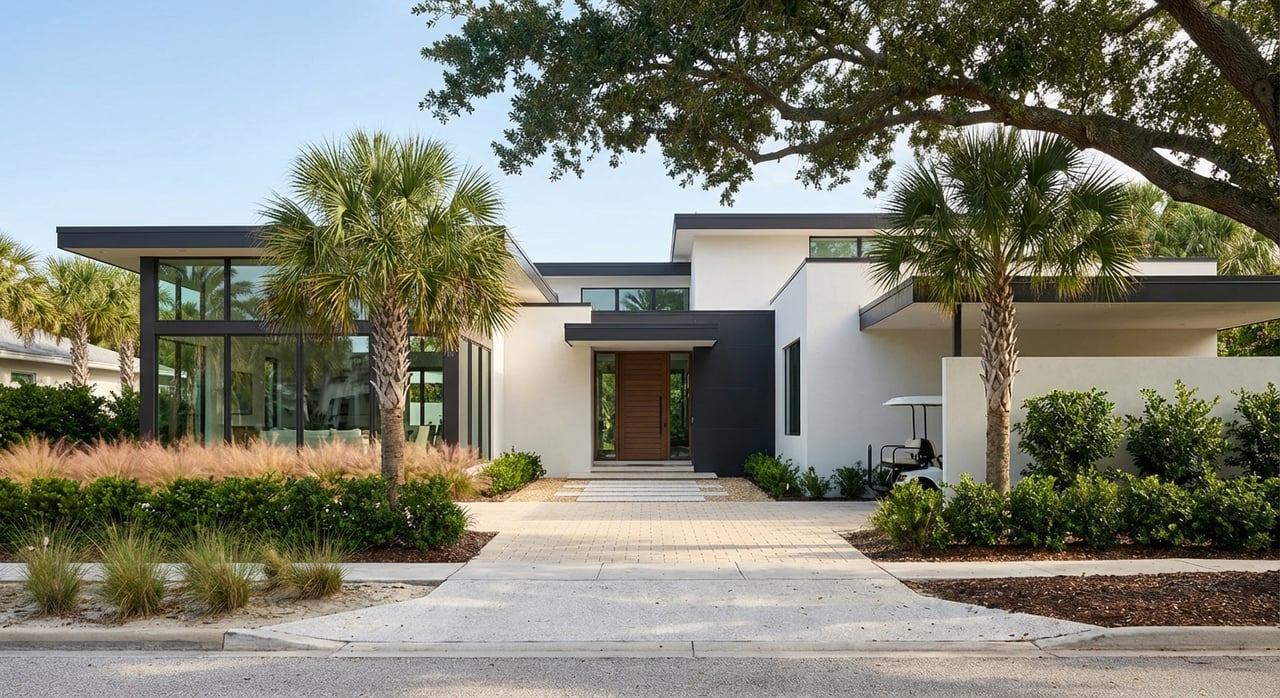
Need to close on an Encino property in two weeks? In a market where desirable homes and small multifamily assets move quickly, speed can be the edge that wins your offer. If you are weighing hard money financing to hit a 10–14 day close, you want clarity on how it works, what it costs, and how to avoid delays. This guide explains the process in Los Angeles, what makes a two‑week timeline realistic, and how to prepare your file so you can move with confidence. Let’s dive in.
Hard money basics in Encino
Hard money loans are short‑term, asset‑based loans secured by real estate. You’ll most often see them used for fix‑and‑flip projects, bridge financing, buy‑and‑hold acquisitions, or to rescue a time‑sensitive deal. Underwriting centers on the property’s value and, for rehab projects, its after‑repair value rather than deep income and credit analysis.
Because the lender focuses on the collateral, you can move faster than with a traditional mortgage. For investors in Encino and the wider San Fernando Valley, that often means the difference between winning and losing a competitive offer.
Why hard money closes in 10–14 days
Closing in two weeks is achievable when a few operational pieces line up:
- Streamlined underwriting focused on valuation and title. Lenders often rely on a broker price opinion (BPO) or a desktop appraisal and a clean preliminary title report instead of full, time‑intensive documentation.
- In‑house processing and funding. Many private lenders underwrite and fund internally, which removes third‑party bottlenecks.
- Fewer conditions. You avoid mortgage insurance, complex income verification, and long contingency windows that slow conventional loans.
- Efficient title and escrow partners. Los Angeles County closings run best with experienced investor‑savvy title/escrow teams that can clear title issues quickly and coordinate recording.
With these elements, a 10–14 day close is realistic, contingent on clean title and responsive parties.
Typical terms and costs
While specific terms vary by lender and deal, hard money loans typically include:
- Term: often 6–24 months.
- Leverage: commonly 60–75% loan‑to‑value of purchase price or ARV for rehab deals.
- Interest rate: higher than conventional financing, generally in the high single digits to mid‑teens depending on risk and market.
- Fees: origination points (often 1–5), underwriting or processing fees, and sometimes rehab reserves.
- Payments: usually interest‑only with a balloon payoff at maturity or a required refinance.
You should request a clear, written itemization of all fees, any prepayment penalties, and default remedies before you sign. Hard money is purpose‑built for speed and flexibility, but that speed comes at a higher carrying cost.
Local Encino factors to plan around
Encino sits within the San Fernando Valley, with strong investor interest in single‑family homes, condos, and small multifamily assets. Lenders familiar with Los Angeles pricing and renovation costs can often underwrite quickly when the property condition and title are straightforward. Keep these local nuances in mind:
- Property type and complexity. Condos and HOA properties can require estoppel letters and additional documentation. Properties with zoning quirks, environmental concerns, or unusual encumbrances may extend timelines.
- Permits and code. If you plan to rehab, the Los Angeles Department of Building and Safety processes and timelines can affect your scope and ARV assumptions. Lenders consider permit feasibility when sizing the loan.
- Contractor bids and costs. Labor and materials in LA often run higher than national averages. Solid bids and 10–20% contingency reserves help underwriters get comfortable fast.
- Title and recording. Title defects are the most common delay. Once cleared, county recording can still add 1–3 business days depending on workload.
A lender with LA experience will anticipate these issues and set realistic contingency windows in your contract.
Checklist to close in 10–14 days
Come to the table prepared. This is the fastest way to keep your file moving.
- Signed purchase agreement with clear closing date and short contingencies
- Government ID and, if applicable, entity documents for your LLC or trust
- Proof of funds for down payment and closing costs
- Property address, photos, and any inspection reports
- Contractor bids and scope of work for rehab projects
- HOA contact details and estoppel request, if condo or in an HOA
- Escrow and title company contact information
If you assemble these items before opening escrow, your lender can start title, valuation, and underwriting on day one.
Fast‑close timeline (day by day)
Use this as a realistic, accelerated roadmap. Your specific dates may shift slightly based on title or recording.
- Day 0: Contract signed and escrow opened. You send the lender the purchase agreement and your initial documents.
- Day 1–2: Title ordered and preliminary report requested. Lender requests BPO or desktop appraisal; you provide property photos and access.
- Day 2–4: BPO/desktop appraisal returned; inspection as needed. For rehab loans, you submit a defined scope of work and contractor bids.
- Day 3–7: Underwriting focuses on valuation, title, and repairs plan. You respond to any document requests.
- Day 6–10: Conditional approval issued; loan documents prepared and sent to escrow. Funding details are finalized.
- Day 10–14: You sign loan documents; funds are wired. Escrow closes and the deed records with the county.
Not every file will hit the 14‑day mark. Title defects, HOA paperwork, insurance issues, or missing documents can extend the schedule. Build a small buffer into your negotiations when possible.
Risks and safeguards
Hard money is a tool. Used well, it preserves deal certainty and speed; used carelessly, it can strain your budget.
- Higher carrying cost. Interest rates and points are higher than conventional loans. Model your monthly interest and total fees against a realistic timeline.
- Short maturity. Balloon payments and tight terms create pressure to refinance or sell on schedule. Extensions can be costly.
- ARV and budget risk. Overly optimistic after‑repair values or underestimating LA rehab costs can leave you short on proceeds.
- Enforcement risk. Default remedies can move quickly; read recourse and default clauses carefully.
- Title and insurance. Unreleased liens, unrecorded interests, or judgment liens can stall closing. Lenders typically require hazard coverage and may require special policies for vacant or rehab properties.
Mitigate these risks by getting itemized loan terms in writing, verifying lender licensing where applicable, reviewing the preliminary title report early, and engaging an attorney if you’re new to private‑lending contracts. Always have a clear exit strategy, whether that is a refinance into a conventional mortgage, a planned sale, or cash reserves to cover an extension.
How to find and vet Encino lenders
Sourcing options include local investor networks, mortgage brokers who specialize in nontraditional financing, and agents, title, or escrow teams who work investor files frequently. Once you have a shortlist, vet thoroughly.
- Licensing and registration. Confirm the lender’s status with the California Department of Financial Protection and Innovation when applicable to your loan purpose.
- Local track record. Ask for recent LA references, time‑to‑close metrics, and example loan packages.
- Transparency. Require written sample terms, clear fee itemization, and a plain‑English description of underwriting requirements.
- Title/escrow relationships. Identify which firms they use and their process for clearing title quickly.
- Local expertise. Favor teams that understand Encino’s property types, HOA processes, and LA rehab costs.
Red flags to avoid:
- Missing written loan terms or refusal to disclose fees in advance
- Pressure to sign without time to review or to waive core disclosures
- No local references or an unverifiable track record
- Unwillingness to use reputable, local title or escrow partners
When hard money fits
Hard money is well‑suited when you need certainty and speed, especially for:
- Competitive acquisitions with short contingency windows
- Bridge financing while you stabilize rents, season income, or arrange long‑term debt
- Fix‑and‑flip or value‑add projects where ARV drives the business case
- Time‑sensitive situations where conventional underwriting cannot meet the deadline
Most hard money loans are structured for business or investment purposes. If you are considering a primary residence, rules and lender policies differ. Verify eligibility early and consider legal advice to understand your options.
Move fast with an integrated partner
If your deal in Encino needs a two‑week close, an integrated broker‑lender can compress steps and remove handoffs. The Arch Corporation pairs licensed brokerage expertise with in‑house private lending and mortgage origination to reduce time‑to‑close and financing uncertainty. You get direct senior involvement, rapid underwriting reviews, and experienced LA title and escrow partners aligned to investor timelines.
Ready to move? Reach out to The Arch Corporation to review your scenario, compare terms, and map a fast, compliant path to closing.
FAQs
Can I use a hard money loan for my primary residence in Encino?
- Most hard money products target business or investment purposes, and owner‑occupied loans involve different rules and fewer available lenders; verify lender policies and seek legal guidance if unsure.
What do lenders need to close in 10–14 days in Los Angeles?
- A clean preliminary title report, complete borrower documents, a quick BPO or desktop appraisal, immediate escrow opening, and contractor bids for any rehab, plus a lender with in‑house underwriting and local escrow partners.
What total costs should I budget for a hard money loan?
- Expect higher interest and origination points than conventional loans, typically 1–5 points, higher rates, standard escrow/title charges, and possible rehab reserves; request a written loan estimate to confirm.
How do lenders size rehab loans in Encino?
- Lenders rely on after‑repair value driven by comparable sales and require a detailed scope of work and contractor bids; LA permit timelines and labor costs factor into ARV and loan sizing.
What if I need more time than the agreed closing date?
- You may negotiate extensions with the seller, but lenders can require additional documents or extension fees; if an extension is not granted, the loan can default with potential foreclosure risk.