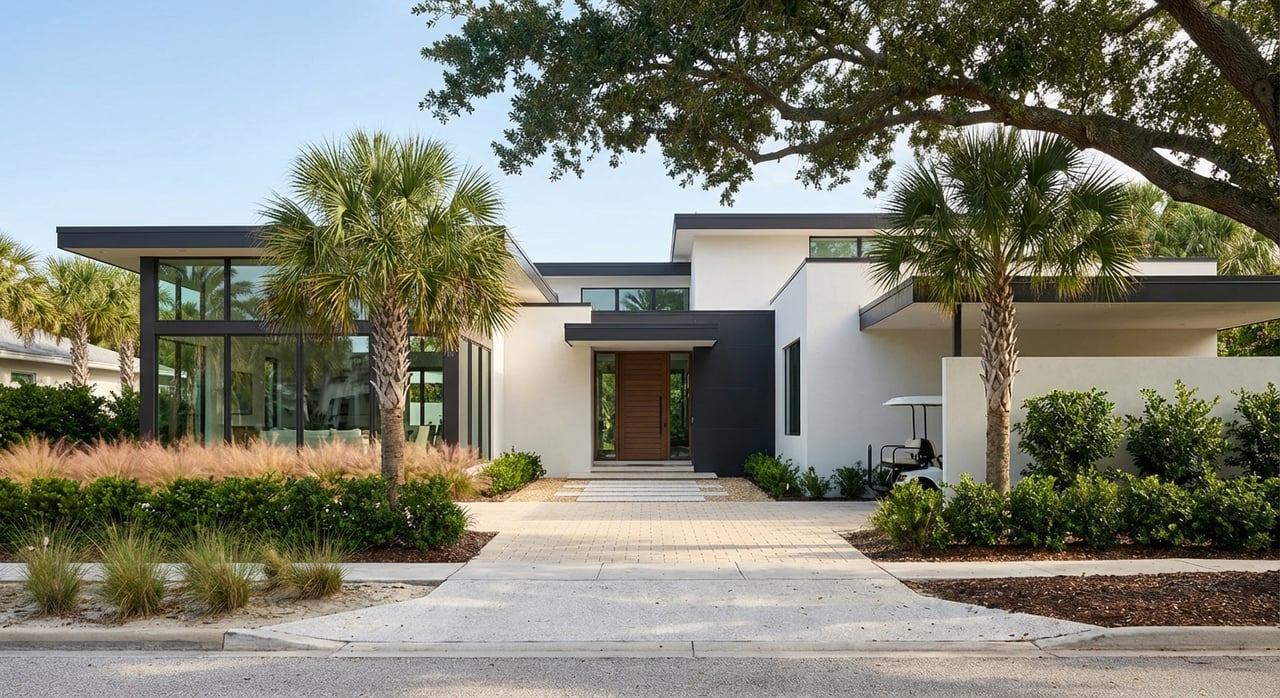
Buying in Westlake Village but your income does not fit a standard W-2 box? You are not alone. Many Ventura County buyers are self-employed, commissioned, or investing, and still want a clear path to close. In this guide, you will learn what a non-QM loan is, who it helps, what it costs, how it works in our local market, and the steps to move forward with confidence. Let’s dive in.
Non-QM loans explained
A non-QM loan is a residential mortgage that does not meet the Consumer Financial Protection Bureau’s Qualified Mortgage standards. It can still be legal and responsible lending, and lenders must evaluate your ability to repay. It simply does not get the same legal presumption of compliance that a Qualified Mortgage receives under federal rules.
If you want to read the rule itself, the CFPB’s Ability-to-Repay and Qualified Mortgage framework is outlined in Regulation Z, section 1026.43. You can review the regulatory text for context on ability-to-repay expectations on the CFPB website.
Why non-QM exists
Not every strong borrower fits the same underwriting box. You may be self-employed with healthy cash flow but low taxable income, a commission or 1099 earner, a retiree with substantial assets, an investor qualifying based on property cash flow, or a foreign national who uses alternative documentation. Non-QM programs give lenders flexibility to document your real capacity to repay, even if it looks different on paper.
In return for that flexibility, you should expect tradeoffs. Non-QM loans often come with higher rates or fees and more conservative loan-to-value limits than standard conforming loans. Clear terms, a realistic budget, and a thoughtful refinance plan are essential.
Common non-QM options in Ventura County
Bank-statement loans
Lenders use 12 to 24 months of personal or business bank statements to derive qualifying income instead of relying on tax returns. This can help self-employed buyers whose deductions reduce taxable income. Underwriters look for consistent deposits that reflect business cash flow.
Asset-depletion loans
If you have strong liquid assets but limited monthly income, some lenders convert those assets into a qualifying income stream. This option can fit retirees or high-net-worth buyers who draw down investments, rather than taking a salary.
DSCR loans for investors
Debt Service Coverage Ratio loans qualify primarily on the income a rental property generates compared to its mortgage payment. These programs are built for investors rather than owner-occupants. In Westlake Village and nearby communities, this can be a practical path for adding a rental without using your personal income for qualification.
Interest-only or balloon structures
Some non-QM programs allow interest-only periods or balloon payments. These can lower initial monthly payments or provide short-term flexibility. They also increase long-term payment risk, so you must understand the payment schedule, reserve expectations, and exit strategy.
Reduced-documentation programs
Modern stated-income or reduced-doc programs are more conservative than pre-2008 versions. Expect higher down payments, stronger credit, and other compensating factors. Clear documentation of assets and reserves is common.
ITIN and foreign national loans
Certain non-QM products serve borrowers without Social Security numbers or those who are foreign nationals. Documentation rules differ by lender, so licensing, disclosures, and clear terms are essential.
How this fits Westlake Village buyers
Ventura County includes high-priced pockets where buyers need flexible underwriting and reliable execution. If your tax returns understate your true cash flow or you are balancing multiple income sources, bank-statement or asset-based programs can help you qualify responsibly.
Local investors also use DSCR loans to acquire or refinance rental properties. And if timing is tight, short-term non-QM solutions can help bridge a sale and purchase or carry you until you qualify for a conventional loan. Strong communication among you, your agent, and your lender helps keep closing on track.
What to expect on underwriting and costs
- Documentation: Expect manual reviews and program-specific documents, such as 12 to 24 months of bank statements, profit and loss statements, 1099s, asset statements, DSCR worksheets, and letters of explanation for credit events.
- Credit: Many programs require fair to good credit, with typical minimums often in the mid-600s. Exact score requirements and pricing vary by lender and product.
- Down payment and LTV: Maximum loan-to-value ratios are usually more conservative than conforming loans. Many programs cap around 80 percent LTV, though some may allow higher with pricing adjustments.
- Rates and fees: Pricing is generally higher than QM or conforming loans due to added risk and the lack of GSE execution. You may also see higher reserve requirements. Ask for a detailed Loan Estimate to see the APR and closing costs upfront.
- Terms and prepayment: Some non-QM loans include prepayment penalties, balloon features, or short-term structures designed as a bridge to a later refinance. You should confirm whether any prepayment or balloon terms apply and how they could affect your exit plan.
- Property and taxes: Appraisal standards are similar to conventional loans. In Westlake Village and Ventura County, HOA dues, Mello-Roos, local assessments, and property tax rates can change debt-to-income calculations, so share those numbers early in the process.
Protections, risks, and red flags
Non-QM is not the Wild West. Core consumer protections still apply, including Truth in Lending disclosures, RESPA, anti-discrimination laws, and the federal Ability-to-Repay requirement. You can read the Ability-to-Repay standard in the CFPB’s Regulation Z.
That said, you should be alert for common risks:
- Higher ongoing cost: Non-QM often carries higher rates and fees, and mortgage insurance options can be limited.
- Complexity and payment risk: Features like interest-only periods or balloons can strain budgets if income or property performance changes.
- Provider quality: Because non-QM serves borrowers with unique needs, bad actors sometimes target this space. Verify licensing and compare quotes.
Concrete red flags include pressure to sign quickly, evasive answers about APR or fees, unclear refinance plans, and surprise prepayment or balloon terms. You can verify licensing and complaint history through the California Department of Financial Protection and Innovation and by checking NMLS Consumer Access.
- Review the ATR and QM rules: See the CFPB’s Regulation Z, section 1026.43 on ability-to-repay and qualified mortgages.
- Verify licensing: Confirm the lender or broker with the California DFPI and NMLS Consumer Access before you apply.
- Seek neutral help if needed: For unusually complex terms, consider discussing with a real estate attorney or a HUD-approved housing counselor.
Step-by-step process for Ventura County buyers
- Initial consult: Meet a mortgage broker or lender with non-QM experience to discuss your income, assets, goals, and timeline.
- Program selection and prequalification: Choose the pathway that fits your profile, such as bank statements, DSCR, or asset-depletion. Request a prequalification letter tailored to your program.
- Document collection: Prepare bank statements, 1099s, business P&L, asset statements, ID, and explanations for any credit events. Gather HOA dues, property tax estimates, and any local assessments that affect your payment.
- Underwriting and appraisal: Manual underwriting can take longer than automated conventional processes. Appraisal and property review often run in parallel.
- Closing: Many non-QM loans can close on a similar timeline to conventional loans. Complex files may take a week or more of extra review, so plan your purchase contract dates accordingly.
Questions to ask any non-QM lender
- Are you licensed in California and registered in NMLS? Please share your NMLS ID.
- Which documentation will you use to qualify my income, and why is it the best fit for my profile?
- What is the interest rate, APR, fees, and estimated monthly payment? Please provide a Loan Estimate.
- Are there prepayment penalties or balloon features? If so, how do they work and what is the refinance plan?
- What down payment and cash reserve levels do you require?
- What is the underwriting timeline and estimated closing date for this program?
- If I plan to refinance into a conventional loan later, what steps and timelines should I expect?
When a non-QM loan makes sense
A non-QM program can be a smart fit when your income is real but documented differently, when you need to qualify based on property cash flow, or when timing matters and a short-term structure gets you to the finish line. It is also useful when you have significant assets, but limited reported income.
It may not be the right fit if the only way to make the numbers work is with features that create long-term payment pressure. In those cases, it is better to adjust budget, build reserves, or plan for a different timeline.
How a local, integrated team helps
In a market like Westlake Village, speed and certainty matter. Your financing needs to match the property, the contract timeline, and your long-term plan. Working with a team that understands both brokerage and lending can help you structure the deal, surface issues early, and keep everyone aligned through closing.
If you want senior-level guidance, clear underwriting, and practical options for bank-alternative financing, reach out to a licensed partner who operates in Southern California and knows Ventura County property norms, appraisals, and local fees. That combination can make the difference between a delayed close and a smooth one.
Ready to explore non-QM financing with a team that prioritizes speed, compliance, and local execution? Connect with The Arch Corporation to discuss your profile, documents, and timeline, and map a clear path to closing.
- Review the CFPB’s ATR and QM rules in Regulation Z, section 1026.43 for ability-to-repay standards.
- Verify a lender or broker at the California DFPI and NMLS Consumer Access before you apply.
- Find neutral guidance through HUD-approved housing counseling resources if you want a second set of eyes on complex terms.
FAQs
What is a non-QM loan and how is it different from a Qualified Mortgage?
- A non-QM loan does not meet the CFPB’s Qualified Mortgage standards but still requires the lender to assess your ability to repay; it often has more flexible documentation and may carry higher rates or different terms than a QM loan.
Are non-QM loans legal and regulated in California?
- Yes. Non-QM loans remain subject to Truth in Lending, RESPA, anti-discrimination laws, and the federal Ability-to-Repay rule; verify providers with the California DFPI and NMLS Consumer Access for added protection.
What credit score do I need for a non-QM mortgage in Ventura County?
- Requirements vary by program and lender, but many non-QM options look for mid-600s or higher and may allow lower scores with larger down payments or pricing adjustments.
Can I buy a rental in Westlake Village with a DSCR loan?
- Yes, if the property’s income supports the debt service under the lender’s DSCR guidelines; these loans qualify primarily on rental cash flow rather than your personal income.
How long does a non-QM loan take to close in this area?
- Timelines vary. Some programs close on similar schedules to conventional loans, while complex files may need an extra week or more due to manual underwriting.
Will my non-QM loan have a prepayment penalty?
- Some do. Ask your lender to explain any prepayment or balloon terms in writing and how they affect your refinance or sale strategy.
CFPB Regulation Z, section 1026.43
Ready to move forward? Schedule a conversation with The Arch Corporation and get a practical plan for your next purchase or refinance in Ventura County.